Agniveer 2.0: The Military Reform That Could Quietly Reshape India’s Workforce and Economy
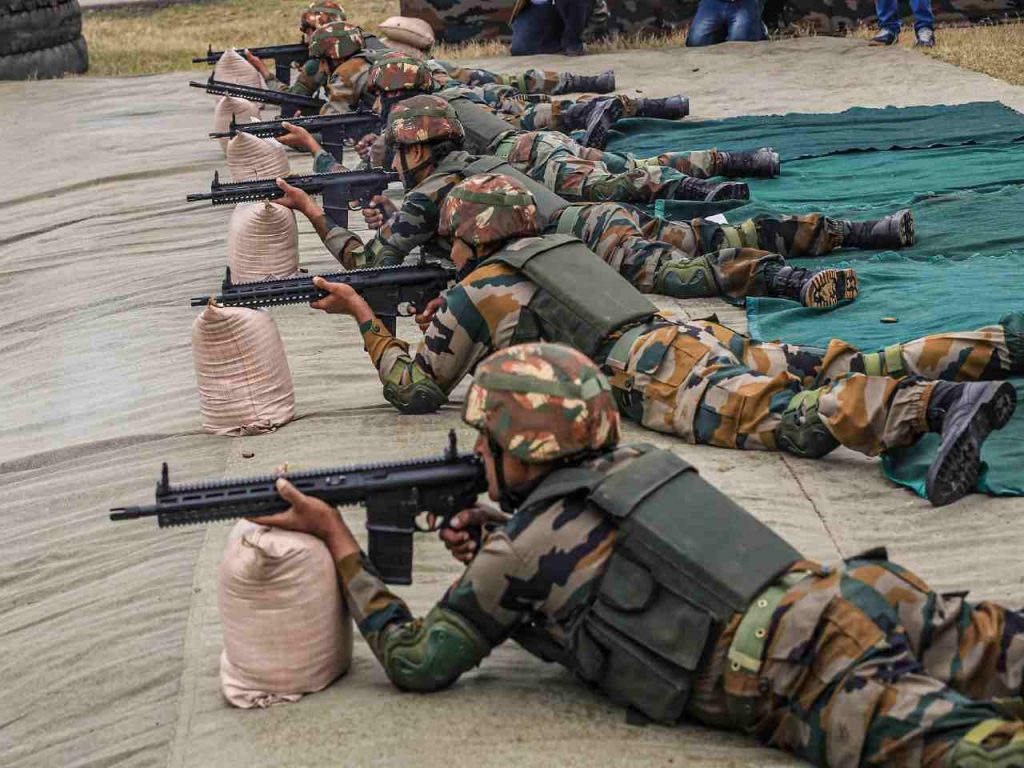
The reform that India debated for the wrong reasons
When the Agnipath Scheme was announced, the reaction across India was immediate and emotional. Protests broke out in several states. Critics argued that short-term military recruitment would weaken national security and erode the traditional bond between soldier and state. Supporters defended it as modernisation.
But both sides missed the deeper point.
Agnipath is not just a defence reform. It is one of the most ambitious attempts by the Indian state to redesign the relationship between employment, skills, and social mobility in a country where government jobs have long defined economic aspiration.
The real battlefield is not the border. It is the labour market.
The end of the lifetime government job
For decades, the Indian state offered stability in exchange for loyalty. A permanent government job—especially in the armed forces—meant predictable income, social prestige, and pension security. For millions of rural households, it was the most reliable path out of poverty.
But the arithmetic has changed.
India’s demographic surge means millions of young people enter the workforce every year. At the same time, pension liabilities and fiscal pressures are rising. A system built on lifetime employment is becoming financially unsustainable.
Agnipath reflects a strategic shift:
The state is moving from being a provider of lifelong jobs to becoming a creator of employable citizens.
This transition is uncomfortable, but it is also inevitable in large emerging economies.
A new workforce pipeline
The long-term logic behind Agnipath lies in what happens after service. After four years, most Agniveers will transition into civilian life. Unlike traditional recruits, they will carry with them exposure to technology, discipline, logistics, cybersecurity, and operational systems.
In advanced economies, such structured workforce pipelines are common. Military service often serves as a training ground for civilian leadership and technical roles. India is attempting to replicate this model at scale.
If successful, the programme could create a large pool of trained, disciplined, and adaptable youth every year. Industries such as logistics, infrastructure, manufacturing, and private security could benefit significantly.
India’s chronic skill gap—often cited by investors as a constraint—could begin to narrow.
Why the private sector is watching closely
Many large corporations have already begun exploring partnerships to absorb Agniveers. For companies, this is an attractive proposition. Training young workers from scratch is costly. A workforce with basic discipline and technical familiarity reduces hiring risks.
Sectors such as:
Supply chain and logistics
Warehousing
Defence manufacturing
Aviation and security
Disaster management
could see major benefits.
There is also an entrepreneurial dimension. Exposure to operational environments could encourage risk-taking and leadership. Over time, former Agniveers may become job creators rather than job seekers.
The social contract is being rewritten
The real significance of this reform lies in its psychological impact. For generations, Indian families equated success with government employment. Agnipath challenges this mindset.
It signals a transition toward:
Skill-based mobility
Career fluidity
Multiple income streams
Entrepreneurial risk
This shift aligns with broader global trends where lifetime employment is declining.
However, the transition also generates anxiety. Without strong post-service pathways, uncertainty could rise among youth. The programme’s success depends on creating trust in the transition process.
The emerging Agniveer 2.0 phase
The next phase of this reform is likely to focus on ecosystem building. Structured corporate hiring, preferential access to credit, higher education opportunities, and entrepreneurship support could become central.
Financial institutions may design special credit products. Universities could reserve seats. Corporations may create leadership tracks.
The model could evolve from a recruitment reform into a national employability architecture.
This transition connects directly to India’s growing focus on experiential learning and skills. 👉 This shift also reflects the broader policy push toward internships and industry exposure discussed in our analysis of the PM Internship transformation.
Strategic and geopolitical implications
The reform also has strategic dimensions. A large trained reserve of disciplined youth enhances national resilience. In crisis situations, these individuals can support disaster response, internal security, and critical infrastructure.
Globally, many countries maintain such flexible reserve ecosystems. India, with its scale, could develop one of the largest.
This also signals to the world that India is preparing for a future where security and economy are deeply interconnected.
The risks India must manage
No reform of this scale is without risk. If job absorption fails, social frustration could rise. If training quality varies, industry confidence may weaken. If political transitions disrupt continuity, long-term outcomes may suffer.
There is also a cultural challenge. The emotional bond between soldier and nation has historically been rooted in long service. Maintaining that ethos in a short-term framework requires careful design.
Trust will be the decisive factor.
A silent revolution
The public debate around Agnipath focused on duration, pensions, and tradition. But the deeper transformation lies elsewhere.
India is experimenting with a new social model:
A state that trains, certifies, and transitions its citizens into a dynamic labour market rather than guaranteeing lifelong employment.
If this model succeeds, it could influence not just defence, but policing, disaster management, and public administration.
More importantly, it could redefine how emerging economies manage demographic pressure in the age of automation.
The real question is not whether Agnipath will change the military. It is whether it will change India.


Comments
Post a Comment