India Stack 2.0: The Digital Infrastructure That Could Redefine Global Finance and Power
The invisible system changing how India works
Most revolutions are loud. They come with speeches, slogans, and visible disruption. India’s digital transformation has been different. It has been quiet, technical, and largely invisible to the average citizen.
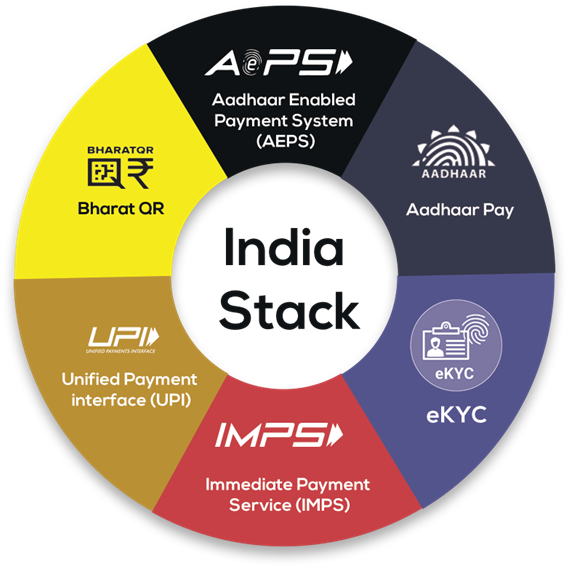
Yet beneath everyday activities—sending money, verifying identity, accessing services—a powerful architecture has been taking shape. This system, often referred to as India Stack, is not just a collection of technologies. It is a new model of governance, markets, and economic power.
The next phase, sometimes called India Stack 2.0, may become one of the most influential institutional innovations of the twenty-first century.
From identity to intelligence
The first phase of India Stack focused on three pillars: identity, payments, and authentication. Digital identity systems, interoperable payments, and instant verification enabled large-scale financial inclusion. Millions who were previously excluded from formal banking entered the system.
But the next phase is far more ambitious.
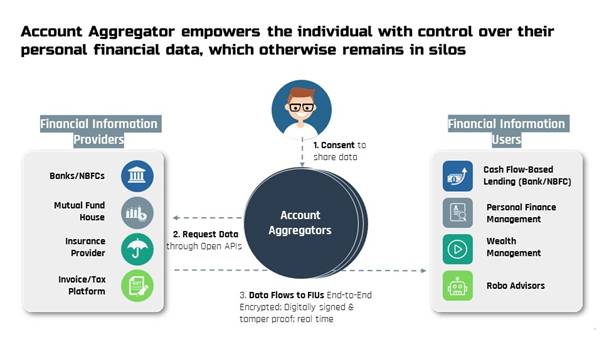
India Stack 2.0 seeks to build a data-sharing architecture where individuals control their financial and personal information. Through frameworks such as Account Aggregators, citizens can securely share verified data with lenders, insurers, and service providers.
This transforms credit markets. Instead of relying on collateral or traditional credit scores, financial institutions can evaluate real-time economic behaviour. Small businesses, gig workers, and informal entrepreneurs could gain access to credit at unprecedented scale.
Why the world is watching
Globally, the financial system faces three major challenges: inclusion, efficiency, and trust. Traditional banking structures are expensive and slow. Digital platforms have improved convenience but raised concerns about data control and monopoly power.
India’s approach offers a third path. Digital public infrastructure provides foundational systems, while private companies innovate on top of them. This reduces entry barriers and encourages competition.
Countries across Asia, Africa, and Latin America are studying this model. If replicated, it could reshape global finance.
For India, this creates geopolitical leverage. Nations adopting similar systems may align with India’s regulatory frameworks, technical standards, and digital ecosystems.
The next frontier: programmable economies
India Stack 2.0 goes beyond payments and lending. It enables programmable financial systems. Smart contracts, automated compliance, and real-time settlement could reduce friction across sectors.
Trade finance, insurance, supply chains, and cross-border transactions could become faster and cheaper.
This could particularly benefit emerging markets, where inefficiencies raise costs and reduce competitiveness.
The long-term impact may resemble the transformation brought by the internet to communication.
The link with digital commerce
Digital infrastructure is most powerful when integrated. Payments, identity, and data-sharing form the backbone of modern digital economies.
Together, these frameworks could create a seamless economic environment where individuals and businesses move across services without friction.
The privacy and trust dilemma
However, scale brings risk. Data concentration can create vulnerabilities. Cybersecurity threats, misuse of information, and surveillance concerns are real.
Trust will determine the success of India Stack. Transparent governance, strong regulation, and institutional credibility are essential.
Balancing innovation and protection will be one of the defining policy challenges.
A new form of state power
Historically, economic power came from resources, manufacturing, or finance. In the digital era, it increasingly comes from infrastructure and standards.
By building foundational systems, India is positioning itself not just as a market, but as an architect of global digital frameworks.
This shift mirrors earlier phases of globalisation where countries shaped the rules of trade and finance.
Now, the rules are digital.
Risks and structural challenges
Implementation remains complex. Coordination between regulators, technology providers, and financial institutions is critical.
There is also the risk of fragmentation if global standards diverge. Competing digital ecosystems could create new forms of geopolitical competition.
India must ensure openness while maintaining security.
The silent competition of the twenty-first century
The global race is no longer only about artificial intelligence or semiconductor manufacturing. It is also about who controls the infrastructure through which economies operate.
India Stack represents a strategic bet: that open, interoperable systems can create both inclusion and innovation.
If this model succeeds, India’s influence could extend far beyond its borders.
The most powerful export of the future may not be goods or services, but governance technology.


Comments
Post a Comment